Caffeine is the most common psychoactive substance in the world and at the same time one of the few supplements with a really strong evidence base in sports. Millions of people use it every morning without thinking about how it works. The editors explain what caffeine is, which body systems it affects, and why the same dose has different effects on different people.
What is caffeine
Caffeine (1,3,7-trimethylxanthine) is an alkaloid from the group of methylxanthines. Theophylline, which is used in medicine to dilate the bronchi, and theobromine, the main cocoa alkaloid, belong to the same family. Plants produce caffeine as a natural defense against insects and as a means of inhibiting the growth of competitors.
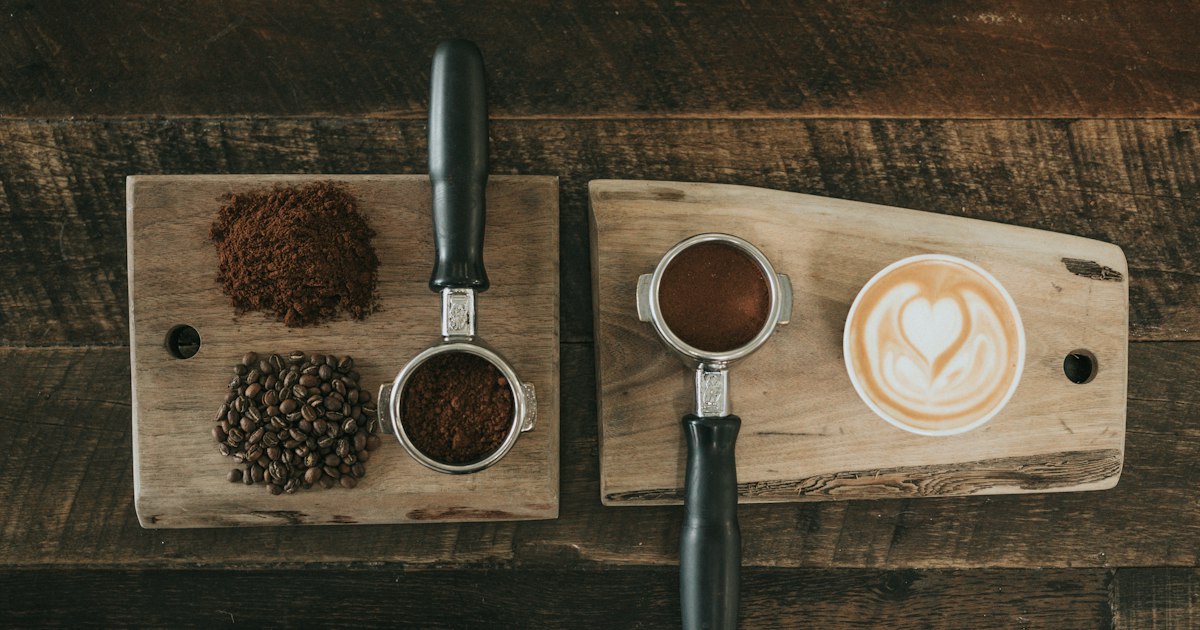
Caffeine is found in coffee beans, tea leaves, guarana seeds, kola nuts, mate leaves. Industrially, it is obtained as a by-product of coffee decaffeination or synthetically; the chemical structure of synthetic and natural caffeine is identical.
The caffeine molecule is small, it dissolves well in both water and fats. That is why it easily passes through cell membranes, the blood-brain barrier and the placenta, being distributed in almost all tissues and body fluids.
In pharmacology, caffeine is classified as a stimulant of the central nervous system. It is part of some analgesic combinations, and in the form of caffeine citrate is used in neonatology to treat apnea of premature infants. That is, it is a full-fledged pharmacological substance, and not just a "drink for cheerfulness".
Main mechanism: adenosine blockade
The main effect of caffeine in usual doses is related to adenosine. Adenosine is a signaling molecule that accumulates in the brain during the waking period and interacts with A1 and A2A receptors. Activation of these receptors inhibits neuronal activity, promotes drowsiness and fatigue.
Caffeine is structurally similar to adenosine and binds to the same receptors, but does not activate them. It works as a competitive antagonist: it occupies the "lock" without opening it, and prevents adenosine from entering. As a result, the inhibitory signal weakens, and the activity of neurons and the release of dopamine, norepinephrine, and acetylcholine increase.
It is this mechanism that explains most of the perceptible effects of caffeine: increased alertness, reduced drowsiness, improved concentration, reduced subjective feeling of effort and pain during physical work. For sports, the last two effects are especially important.
Adenosine receptors are not only in the brain, but also in the heart, blood vessels, kidneys, and adipose tissue. Therefore, the blockade of adenosine also explains the peripheral effects of caffeine — from increased heart rate to increased urination.
With regular use, the number of adenosine receptors can increase, and partial tolerance to some effects develops. This is one of the reasons why sudden cessation of coffee consumption causes headache and lethargy, withdrawal symptoms.
Other effects in the body
In much higher concentrations than are reached with normal use, caffeine inhibits phosphodiesterases and affects the release of calcium from the sarcoplasmic reticulum of muscle cells. Previously, these mechanisms were considered the basis of ergogenic action, but today most researchers associate sports effects primarily with the effect on the central nervous system.
Among the systemic effects of caffeine in typical doses:
- cardiovascular system — short-term increase in blood pressure, in some people pulse acceleration;
- metabolism — increase in adrenaline level, increased lipolysis and a slight increase in energy expenditure;
- kidneys — a moderate diuretic effect, which significantly weakens with regular use;
- gastrointestinal tract — stimulation of gastric juice secretion and intestinal motility;
- respiratory system — mild bronchodilation similar to theophylline.
The historical hypothesis of “glycogen sparing” due to increased fat utilization during exercise has been only partially confirmed in later studies. The influence of caffeine on the perception of effort and neuromuscular function is considered a more valid explanation for its effectiveness.
It is important that all these effects are dose-dependent and very individual. What for one person is pleasant cheerfulness, for another can cause tremors, anxiety and palpitations.
Absorption, metabolism and excretion
Caffeine is quickly and almost completely absorbed from the gastrointestinal tract. Peak blood concentrations are usually reached 30–60 minutes after ingestion, although food and form (capsule, drink, chewing gum) can shift this time.
The main metabolism takes place in the liver with the participation of the enzyme cytochrome P450 1A2 (CYP1A2). The main metabolite is paraxanthine, smaller fractions are converted to theobromine and theophylline. These metabolites are also pharmacologically active.
The half-life of caffeine in healthy adults averages several hours, typically around 3–5 hours, but varies widely. Smoking speeds up metabolism, while pregnancy, oral contraceptives, liver disease, and some medications (eg, fluvoxamine, ciprofloxacin) slow it down significantly.
| Factor | Effect on caffeine excretion |
|---|---|
| Smoking | accelerates (CYP1A2 induction) |
| Pregnancy, especially the third trimester | significantly slows it down |
| Oral contraceptives | slow down |
| Liver disease | slow down |
| Fluvoxamine, some fluoroquinolones | dramatically slow down (CYP1A2 inhibitors) |
| Genetic variants of CYP1A2 | "fast" and "slow" metabolizers |
Genetics play a prominent role: variants of the CYP1A2 gene divide people into "fast" and "slow" metabolizers. In a study by Cornelis et al. (2006), the association of coffee with myocardial infarction risk differed by CYP1A2 genotype. Variants of the ADORA2A adenosine receptor gene associated with caffeine anxiety sensitivity are also known.
Caffeine sources and status in sports
The caffeine content of products is highly variable. A cup of filter coffee can contain from a few dozen to over a hundred milligrams, depending on the type of grain, grind and brewing method. A portion of espresso contains less liquid, but the concentration of caffeine in it is high.
Tea usually provides less caffeine per cup than coffee, and energy drinks and pre-workout supplements often contain a standardized and often high dose. The greatest danger is pure caffeine powders: even a small household-spoon measurement can contain a dangerously excessive amount, which has been repeatedly pointed out by the US FDA.
Regarding safety for the general population, the European Food Safety Authority (EFSA, 2015) concluded that for healthy adults, intakes of up to 400 mg of caffeine per day are not of concern, and single doses of up to 200 mg were assessed as not raising safety concerns for the healthy adults studied; these are not guarantees for every individual. For pregnant women, the guideline is up to 200 mg per day.
In sports, caffeine has not been included in the WADA Prohibited List since 2004, but is in the Monitoring Program. This means that anti-doping laboratories monitor its levels, but the use of caffeine by athletes is allowed.
We tell you more about how caffeine affects sports results and what doses were used in the studies in a separate article.
Editorial conclusions
Caffeine is a methylxanthine that acts primarily as an adenosine receptor antagonist, reducing fatigue and effort and increasing alertness.
It is rapidly absorbed, metabolized by the hepatic enzyme CYP1A2, and has a half-life of several hours on average, but with large individual variation due to genetics, smoking, hormones, and medications.
We also recommend reading The Benefits of Caffeine for Athletes: The Evidence Base, Side Effects of Caffeine, and our post on the interaction of stimulants in pre-workout supplements.
References
- Fredholm BB, Bättig K, Holmén J, Nehlig A, Zvartau EE. Actions of caffeine in the brain with special reference to factors that contribute to its widespread use. Pharmacol Rev. 1999;51(1):83–133.
- EFSA Panel on Dietetic Products, Nutrition and Allergies (NDA). Scientific opinion on the safety of caffeine. EFSA J. 2015;13(5):4102.
- Guest NS, VanDusseldorp TA, Nelson MT, et al. International society of sports nutrition position stand: caffeine and exercise performance. J Int Soc Sports Nutr. 2021;18(1):1.
- Cornelis MC, El-Sohemy A, Kabagambe EK, Campos H. Coffee, CYP1A2 genotype, and risk of myocardial infarction. JAMA. 2006;295(10):1135–1141.
- Spriet LL. Exercise and sport performance with low doses of caffeine. Sports Med. 2014;44(Suppl 2):S175–S184.
- World Anti-Doping Agency. The Monitoring Program. Montreal: WADA (Ñинна ÑедакÑÑÑ).